 Where worlds meet, hearts lead.



2026-05-15
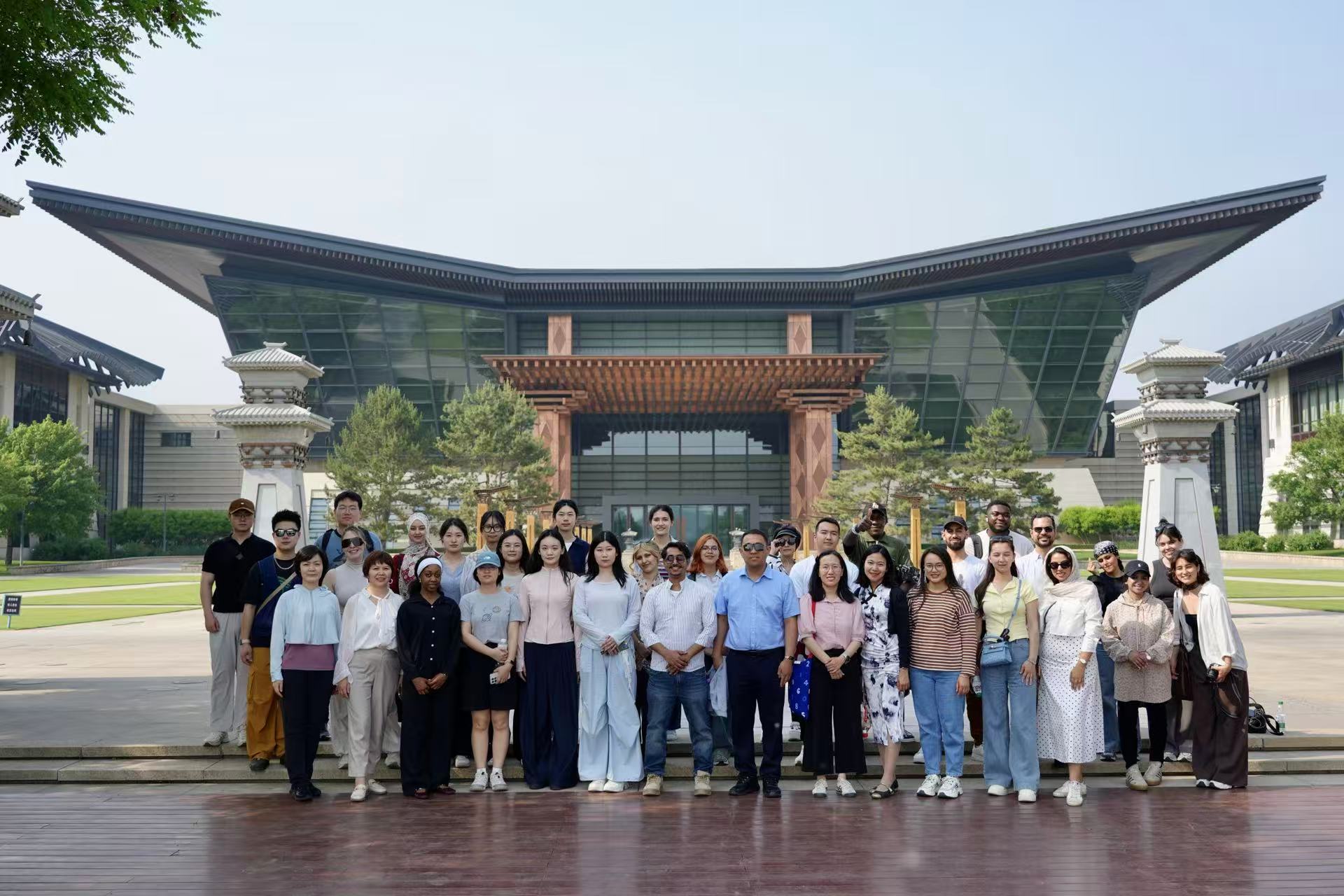
On May 13, the School of Tourism Sciences at Beijing International Studies University organized a practical field trip for its international graduate students to Huairou District, Beijing. The group visited the Wa Art Museum, boutique homestays, and select hotels in Beigou Village, where they engaged in on-site observations and discussions on rural cultural-tourism integration, high-end accommodation operations, corporate culture development, and tourism talent cultivation.
The trip was led by Professor Li Bin, Associate Dean of the School, along with faculty members Professors Cui Li and Zhang Chao, Associate Professors Zhang Huiying and Liu Chun, Office Director Lan Chaoying, Academic Secretary Li Shuhong, and Student Counselor Zhang Ruiqi. The delegation received briefings from Cao Bing, Executive President of 2049 Group; Shao Bingyan, General Manager of Brickyard Hotel; Xu Xinyu, HR Officer; and representatives of the Yanqi Lake International Conference Center.
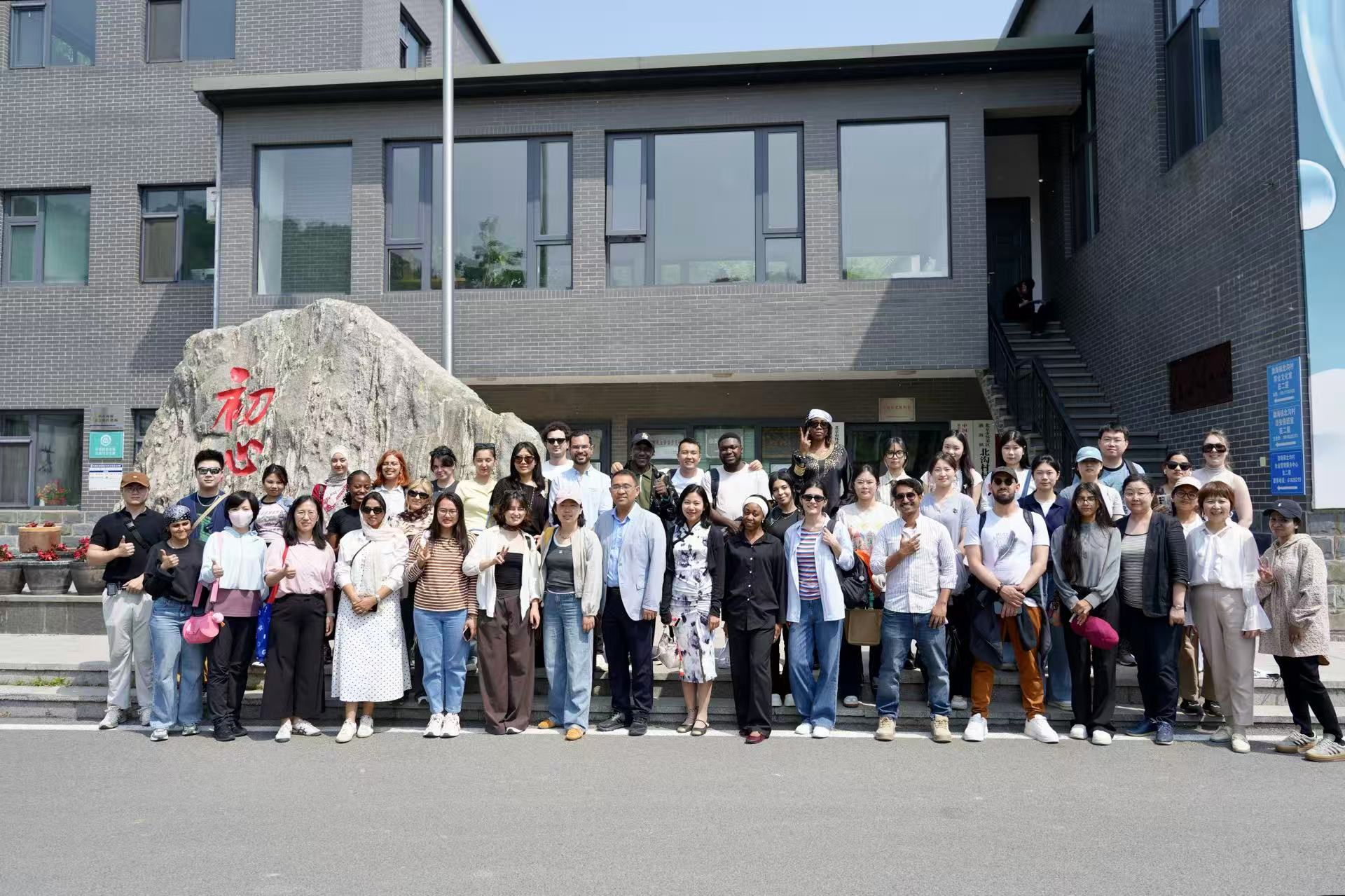
Using a “site visit + expert explanation + interactive exchange” format, the morning session took the group to the Wa Art Museum, Beigou Village Committee, Brickyard Hotel, and Sansa Homestay. Shao Bingyan provided a detailed overview of the hotel’s development history, business philosophy, corporate culture, and job structure. Through on-site observations and real-life case studies, students gained firsthand insight into the connections between rural space renewal, cultural resource transformation, and boutique hotel operations.
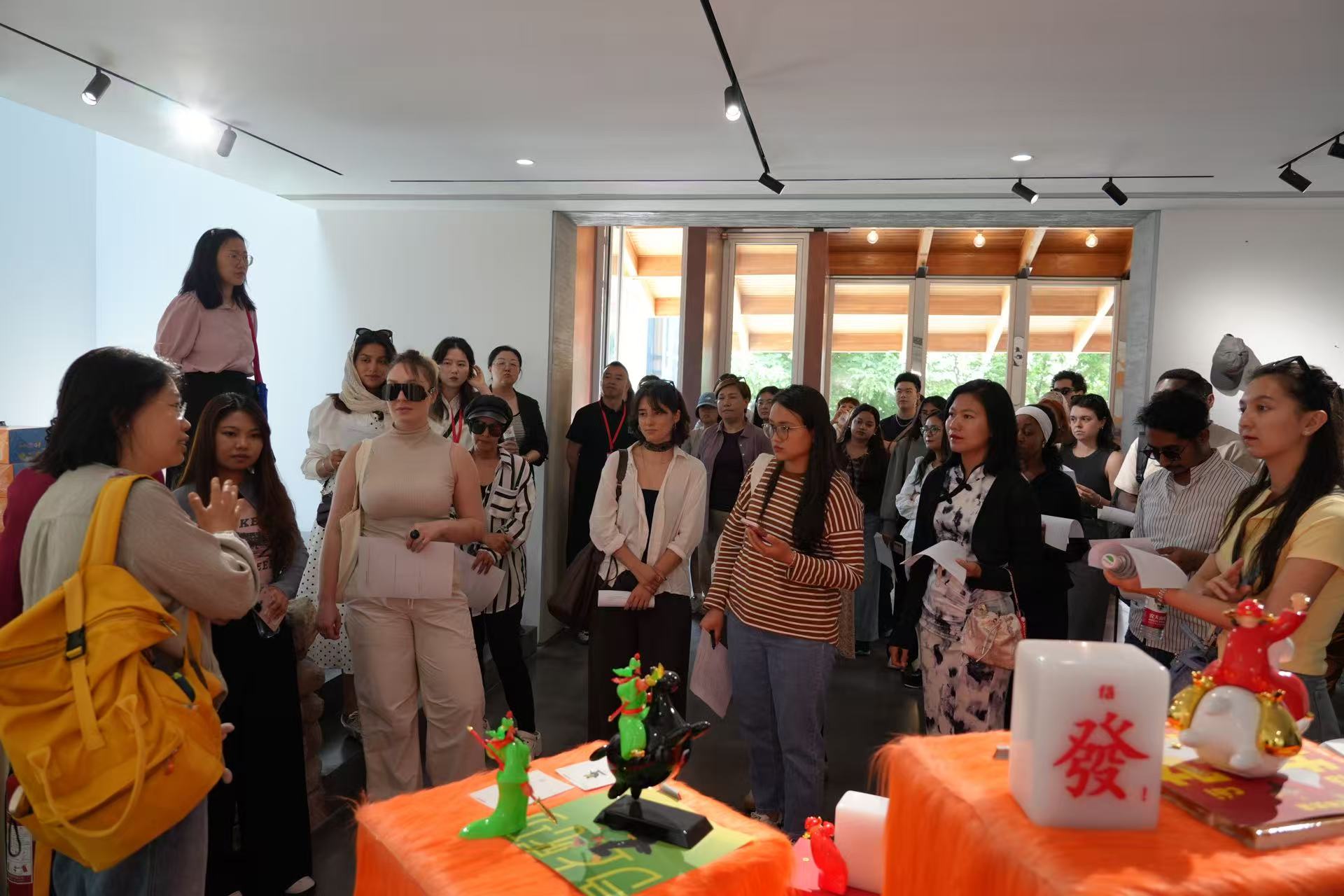
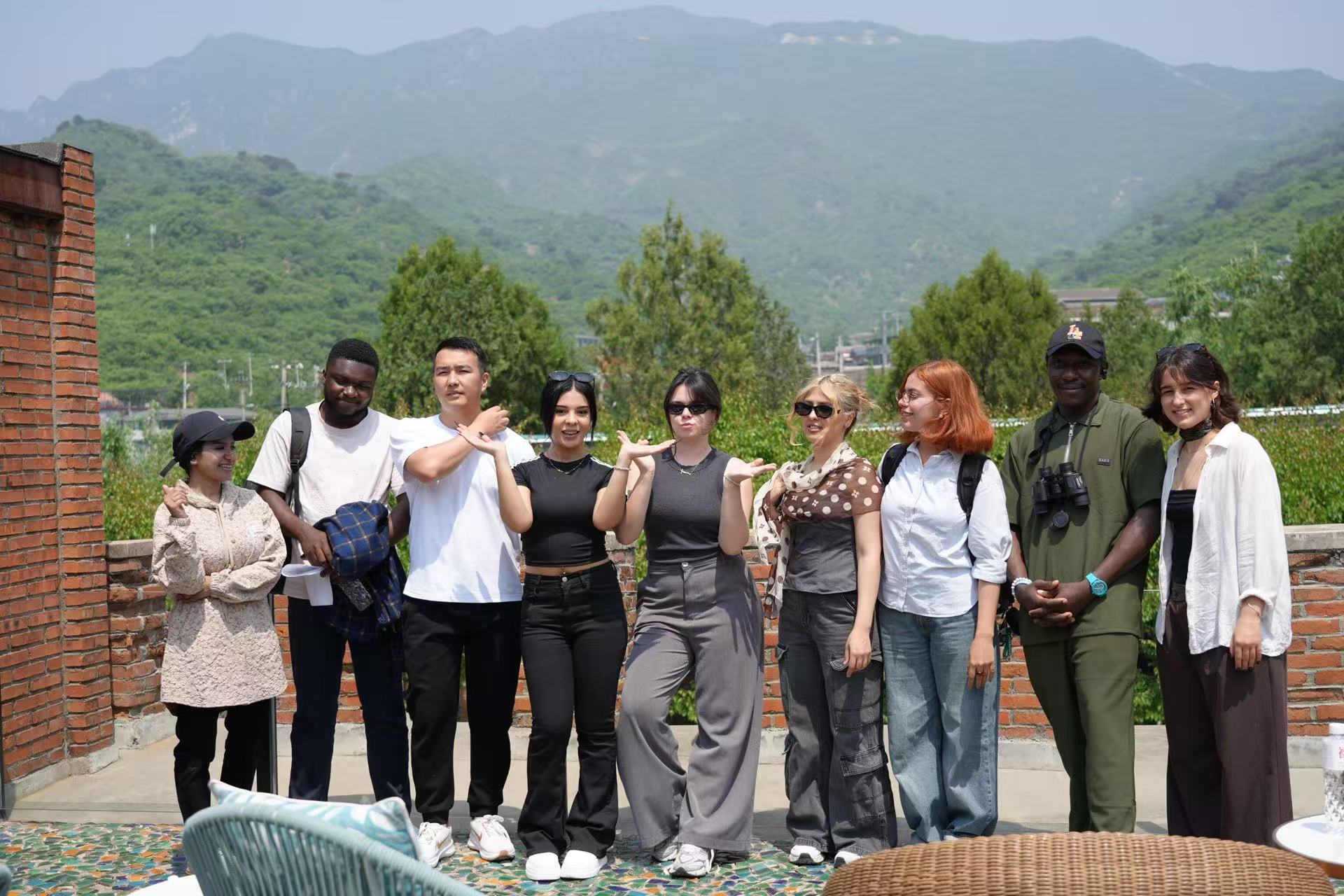
The visit highlighted Beigou Village's approach to cultural tourism development, which is deeply rooted in its natural environment, village layout, and local culture. Establishments such as Brickyard Hotel and Sansa Homestay exemplify the integration of rural architectural renovation, accommodation, dining, and cultural presentation—offering vivid models of the transition from sightseeing to immersive rural tourism. For students of tourism and hospitality management, the trip broadened their industry perspectives beyond the classroom and deepened their understanding of accommodation innovation, destination operations, and service management within the context of evolving cultural tourism consumption patterns.
Cao Bing presented the development history and operational philosophy of the Beigou Village cultural tourism project and expressed the 2049 Group's commitment to creating more practical learning environments for university students. He noted that such real-world settings help students understand the industry, recognize professional roles, and build key competencies. The university faculty expressed their appreciation to Brickyard Hotel for its hospitality and support, emphasizing that field trips are essential to tourism education. These experiences enable students to integrate academic knowledge with industry practice and enhance their overall competence through exposure to real-world scenarios and business operations.
In the afternoon, the group visited the Yanqi Lake International Conference Center and Yanqi Hotel. This sequence of site visits—from rural cultural spaces to high-end conference and hotel facilities—provided students with a more holistic understanding of Beijing's cultural tourism resources, conference and exhibition services, and hotel operations management.
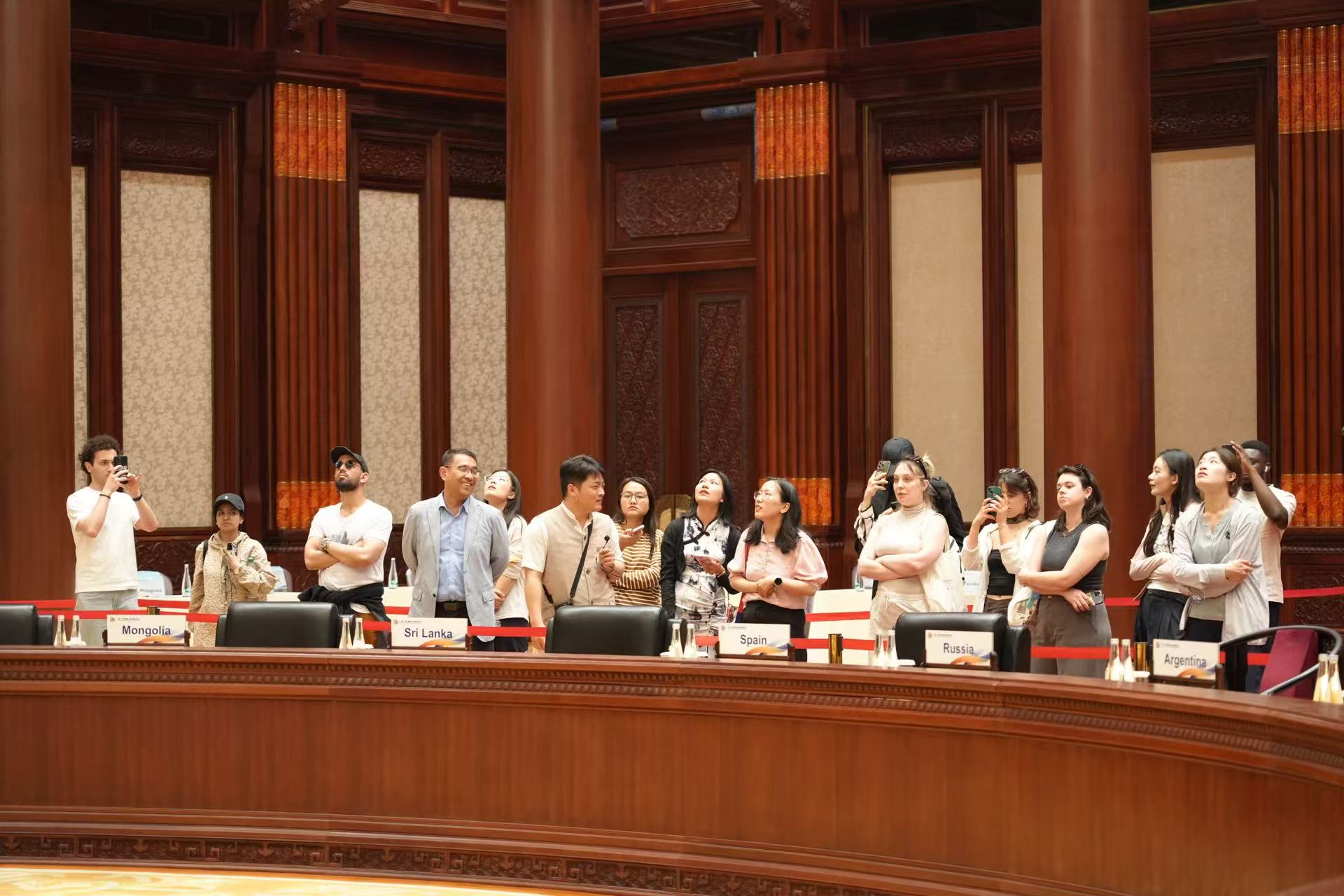
This field trip represents a key initiative by the School of Tourism Sciences to advance practice-based learning and deepen industry-academia collaboration. It also marks an active step in enhancing the quality of international student education. By extending academic learning to real-world industry settings, the activity enabled international students to observe China’s rural cultural tourism development firsthand and gain a better understanding of the interplay between tourism, rural revitalization, cultural outreach, and hospitality innovation.
For international students, visiting rural cultural tourism projects in China offered direct insight into the country’s tourism achievements and the practical application of Chinese-style modernization at the grassroots level. For their Chinese peers, studying and interacting alongside international students broadened cross-cultural perspectives and strengthened their ability to tell China’s cultural tourism stories through professional expertise.
The trip not only reinforced practice-based teaching but also highlighted the School’s distinctive strength in cultivating globally oriented talent. Through shared learning and exchanges, international and Chinese students achieved knowledge sharing and mutual cultural enrichment, enhancing the brand recognition of “Studying at BISU” and “Studying at the School of Tourism Sciences.”
Going forward, the School will continue to expand high-quality practice-based learning resources, further align academic programs and international student development with industry needs, and build sustainable platforms for cross-cultural collaboration between Chinese and international students. The goal is to cultivate high-level tourism management professionals with global vision, practical skills, and cross-cultural communication competence.

 Beijing ICP Registration No. 05067963